
Best 18-Inch Planters in 2026: 3 Picks Compared on Specs
For an 18-inch planter, the Kante Large 18" Round Concrete Planter stands out as the top pick for its durable concrete build and included drainage hole with rubber plug. We selected these three planters from a pool of 18-inch options based on material, drainage, and stated specifications.
3 picks from 3 planters that match this guide with a price we can quote today, made by 35 makers. Prices below are live, each shown with the time it was read.
Quick list
| # | Pick | Planter | Price |
|---|---|---|---|
| 1 | Best overall | Kante Large 18" Round Concrete Planter | $69.99 (as of 10/18/2026 11:26 PDT - Details) |
| 2 | Best lightweight option | Suncast Wicker Planter w/ Drillable Drain Holes | $34.99 (as of 10/18/2026 11:27 PDT - Details) |
| 3 | Best classic flower box | Novelty 16195 | $15.59 (as of 10/18/2026 12:08 PDT - Details) |
Which one is right for you?
- For a modern indoor statement: If you want a sleek, contemporary planter that works indoors or on a patio, the concrete bowl offers a clean look with a drainage hole and plug. See pick 1
- For a lightweight, versatile pot: If you need a planter that is easy to move and suits both indoor and outdoor use, the wicker-style pot is a practical choice. See pick 2
- For a classic flower box on a budget: If you want a traditional terracotta window box for herbs or flowers, the flower box is a simple, affordable option. See pick 3
All 3 picks in detail
1 Best overall

Kante Large 18" Round Concrete Planter
- Planter type
- Plant pot
- Material
- Concrete
- Largest size
- 18 inches
- Drainage holes
- Yes
$69.99 (as of 10/18/2026 11:26 PDT - Details)
This concrete planter combines a substantial 18-inch size with a built-in drainage hole and rubber plug, making it the most complete package for serious container gardening. Its material is concrete, which is heavier and more stable than the other picks, reducing the risk of tipping in wind.
Pros
- 18-inch diameter provides ample root space
- Drainage hole with rubber plug for controlled watering
- Concrete material offers stability and durability
- Modern bowl design suits contemporary decor
Cons
- Concrete is heavy, making it difficult to move once filled
- Material not stated for the plug, only the rubber plug is mentioned
- Only one size option available in this listing
Good fit if
- Homeowners with a patio or balcony who want a sturdy, long-lasting planter
- Gardeners growing larger plants that need deep root space
Skip if
- You need a lightweight planter that you can easily relocate
- You prefer a more traditional or rustic look over modern concrete
Verdict: The Kante concrete planter is the best all-around 18-inch option for its combination of size, drainage, and material strength.
2 Best lightweight option
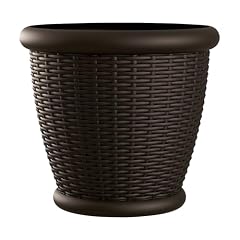
Suncast Wicker Planter w/ Drillable Drain Holes
- Planter type
- Plant pot
- Largest size
- 18 inches
$34.99 (as of 10/18/2026 11:27 PDT - Details)
The Suncast wicker planter is the lightest of the three, making it easy to move around. It features drillable drain holes, allowing you to customize drainage, and its wicker style suits both indoor and outdoor settings.
Pros
- Lightweight construction for easy repositioning
- Drillable drain holes let you add drainage where needed
- Wicker design fits a variety of decor styles
- Suitable for indoor and outdoor use
Cons
- Drainage holes are not pre-drilled, requiring DIY work
- Material not specified, only the wicker style is mentioned
- May not be as durable as concrete or terracotta
Good fit if
- Renters or those who like to rearrange their planters frequently
- People who want a planter that works on a balcony or indoors
Skip if
- You want a planter with ready-to-use drainage out of the box
- You need a heavy, wind-resistant planter for exposed areas
Verdict: The Suncast wicker planter is a versatile, lightweight choice for those who prioritize portability and style.
3 Best classic flower box

Novelty 16195
- Planter type
- Planter box
- Material
- Terracotta
- Largest size
- 18 inches
$15.59 (as of 10/18/2026 12:08 PDT - Details)
This terracotta flower box brings a traditional look to window sills or railings. Its 18-inch length is ideal for herbs or small flowers, and terracotta is a classic material that allows for good air circulation to roots.
Pros
- Classic terracotta material with natural aesthetic
- Compact 18-inch length fits window sills and narrow spaces
- Lightweight compared to concrete
- Suitable for herbs and small flowering plants
Cons
- No drainage hole mentioned, which may require drilling
- Terracotta can be porous and may dry out quickly
- Smaller capacity than the round planters
Good fit if
- Gardeners growing herbs or small flowers on a windowsill
- Those who prefer a traditional, rustic look
Skip if
- You need a large planter for deep-rooted vegetables
- You want a planter with built-in drainage
Verdict: The Novelty terracotta flower box is a simple, charming option for small-scale container gardening.
Specs compared
| # | Planter | Planter type | Material | Largest size | Pots in the set | Self-watering | Drainage holes |
|---|---|---|---|---|---|---|---|
| 1 | Kante Large 18" Round Concrete Planter | Plant pot | Concrete | 18 inches | not stated | not stated | Yes |
| 2 | Suncast Wicker Planter w/ Drillable Drain Holes | Plant pot | not stated | 18 inches | not stated | not stated | not stated |
| 3 | Novelty 16195 | Planter box | Terracotta | 18 inches | not stated | not stated | not stated |
How we chose these
We started with a pool of three 18-inch planters listed in the store catalogue. We shortlisted each because they represent distinct materials and styles: concrete, wicker, and terracotta. We prioritized planters with stated drainage features, as proper drainage is essential for healthy container plants. We also considered the intended use, such as indoor or outdoor placement. Prices shown are live and read directly from the store listing at the time of writing. Our picks are based on the specifications provided by the seller and the maker's published information.
What to look for
Material: Concrete, Wicker, or Terracotta
The material of your planter affects its weight, durability, and how it interacts with moisture. Concrete is heavy and stable, making it ideal for large plants that might tip over in the wind. It also retains moisture well, but it can be difficult to move once filled. Wicker planters are lightweight and easy to relocate, but they may not be as durable over time. Terracotta is a classic choice that allows air to reach the roots, but it is porous and can dry out quickly, requiring more frequent watering. Consider where you will place the planter and how often you want to move it.
Drainage: Essential for Healthy Roots
Proper drainage is crucial for container plants to prevent waterlogged soil, which can lead to root rot. Look for planters with drainage holes or the ability to add them. The Kante concrete planter comes with a drainage hole and a rubber plug, giving you control over water flow. The Suncast wicker planter has drillable drain holes, so you can create drainage where you need it. The Novelty terracotta flower box does not mention drainage, so you may need to drill holes yourself. If you are growing vegetables, good drainage is especially important, as waterlogged soil can stunt growth.
Size and Capacity: Matching the Planter to Your Plants
An 18-inch planter provides a moderate amount of space for roots. According to the Old Farmer's Almanac, most vegetables need at least 12 inches of soil depth, and larger plants like tomatoes may require a 5-gallon container. The round planters in this list offer more depth and volume than the flower box, making them better suited for deeper-rooted plants. The flower box is more appropriate for shallow-rooted herbs and small flowers. Consider the mature size of your plants and choose a planter that gives their roots room to grow.
Indoor vs. Outdoor Use
Think about where you will place the planter. Concrete and terracotta are suitable for outdoor use, but they can be heavy and may crack in freezing temperatures if not protected. Wicker planters are often used indoors or on covered patios, as they may not withstand harsh weather. All three planters in this list can be used indoors, but the concrete and terracotta options are more weather-resistant. If you plan to move the planter between indoors and outdoors, a lighter wicker option might be more convenient.
Style and Aesthetics
The planter you choose should complement your space. Concrete offers a modern, minimalist look that fits contemporary decor. Wicker adds a natural, textured element that works in casual or bohemian settings. Terracotta provides a timeless, rustic charm that suits traditional gardens and farmhouse styles. Consider the existing colors and materials in your space to pick a planter that enhances the overall aesthetic.
Questions
What can you plant in an 18-inch planter?
An 18-inch planter provides enough space for a variety of plants. You can grow herbs like basil, parsley, and cilantro, as well as small flowers such as marigolds or pansies. For vegetables, you can grow leafy greens like lettuce and spinach, which have shallow roots. Larger plants like peppers or dwarf tomato varieties may also work, but they will need adequate soil depth and water. Always check the specific requirements of your plants to ensure they have enough room to thrive.
Do you need a drainage hole in your planter?
Yes, drainage is essential for most container plants. Without a hole, excess water can accumulate at the bottom, leading to root rot and fungal growth. If your planter does not have a drainage hole, you can drill one yourself, as with the Suncast wicker planter. The Kante concrete planter includes a drainage hole with a rubber plug, allowing you to control water flow. For plants that prefer moist soil, you can keep the plug in place, but for most plants, it is best to allow excess water to escape.
How often should you water plants in an 18-inch planter?
Watering frequency depends on the plant type, weather, and planter material. Terracotta is porous and dries out faster, so it may need more frequent watering. Concrete retains moisture longer but can still dry out in hot weather. Wicker planters, depending on their lining, may also dry out quickly. As a general rule, check the soil moisture by inserting your finger about an inch deep. If it feels dry, it is time to water. Container plants typically need more water than those in the ground, especially during hot, dry periods.
Can you leave your planter outside in winter?
It depends on the material. Concrete and terracotta can crack if they absorb water and freeze. To protect them, move them to a sheltered location or empty them before winter. Wicker planters may also be damaged by harsh weather, so it is best to bring them indoors or cover them. If you live in a mild climate, you may be able to leave them out, but it is safer to take precautions. Always check the manufacturer's recommendations for temperature limits.
Update history
- : First published.